

Venous insufficiency—often called chronic venous insufficiency (CVI) or venous reflux disease—occurs when leg veins can’t push blood back to the heart efficiently. Faulty one-way valves allow blood to pool in the lower limbs, leading to swelling, aching, skin damage and, in advanced cases, non-healing ulcers. The condition affects up to 40% of adults, yet many people dismiss the early warning signs until complications develop. This evidence-based guide covers everything you need to know: how to spot CVI, why it happens, and the most effective ways to treat and prevent it.
What Is Venous Insufficiency?
Veins return oxygen-poor blood to the heart. In the legs they must work against gravity, relying on tiny leaflet valves and calf-muscle contractions to keep blood moving upward. When valves weaken—due to age, injury, blood clots, pregnancy or genetics—blood leaks backward (reflux), stretching vein walls and triggering:
- Distended varicose veins
- Raised venous pressure in the ankles and calves
- Chronic inflammation that damages skin and sub-tissue
Because the dysfunction is progressive, untreated CVI rarely improves on its own.
Key Symptoms of Chronic Venous Insufficiency
| Early Signs | Progressive Signs | Advanced Complications |
|---|---|---|
| Heavy, tired legs | Persistent ankle swelling (edema) | Hard, brownish skin (lipodermatosclerosis) |
| Night cramps or restlessness | Bulging varicose or spider veins | Venous leg ulcers near the ankle |
| Tingling or itching | Skin dryness or eczema | Recurrent cellulitis or infection |
Pro Tip: Symptoms often worsen after long periods of standing or sitting and improve with leg elevation.
Primary Causes & High-Risk Factors
- Valve damage from deep-vein thrombosis (DVT) or prior leg injury
- Family history of varicose veins or CVI
- Obesity and central weight gain—extra pressure on pelvic & leg veins
- Sedentary lifestyle or occupations requiring long hours on your feet
- Hormonal changes & pregnancy (higher blood volume, pelvic vein pressure)
- Aging—vein walls and valves naturally lose elasticity over time
- Smoking—impairs circulation and collagen integrity
How Doctors Diagnose Venous Insufficiency
- Duplex ultrasound (gold standard) measures blood flow and valve function.
- Clinical exam for varicose veins, ankle swelling and skin changes.
- Venous refill time or photoplethysmography tests in complex cases.
Early diagnosis prevents ulcers and lowers your risk of DVT.
Proven Treatment Options for CVI
1. Compression Therapy (First-Line)
Graduated compression stockings or compression wraps apply the greatest pressure at the ankle, easing upward flow. Look for medical-grade 20–30 mmHg or 30–40 mmHg garments.

Find doctor-recommended brands at LymphedemaProducts.com—including knee-high, thigh-high and open-toe designs for daily wear.
2. Exercise & Calf-Muscle Activation

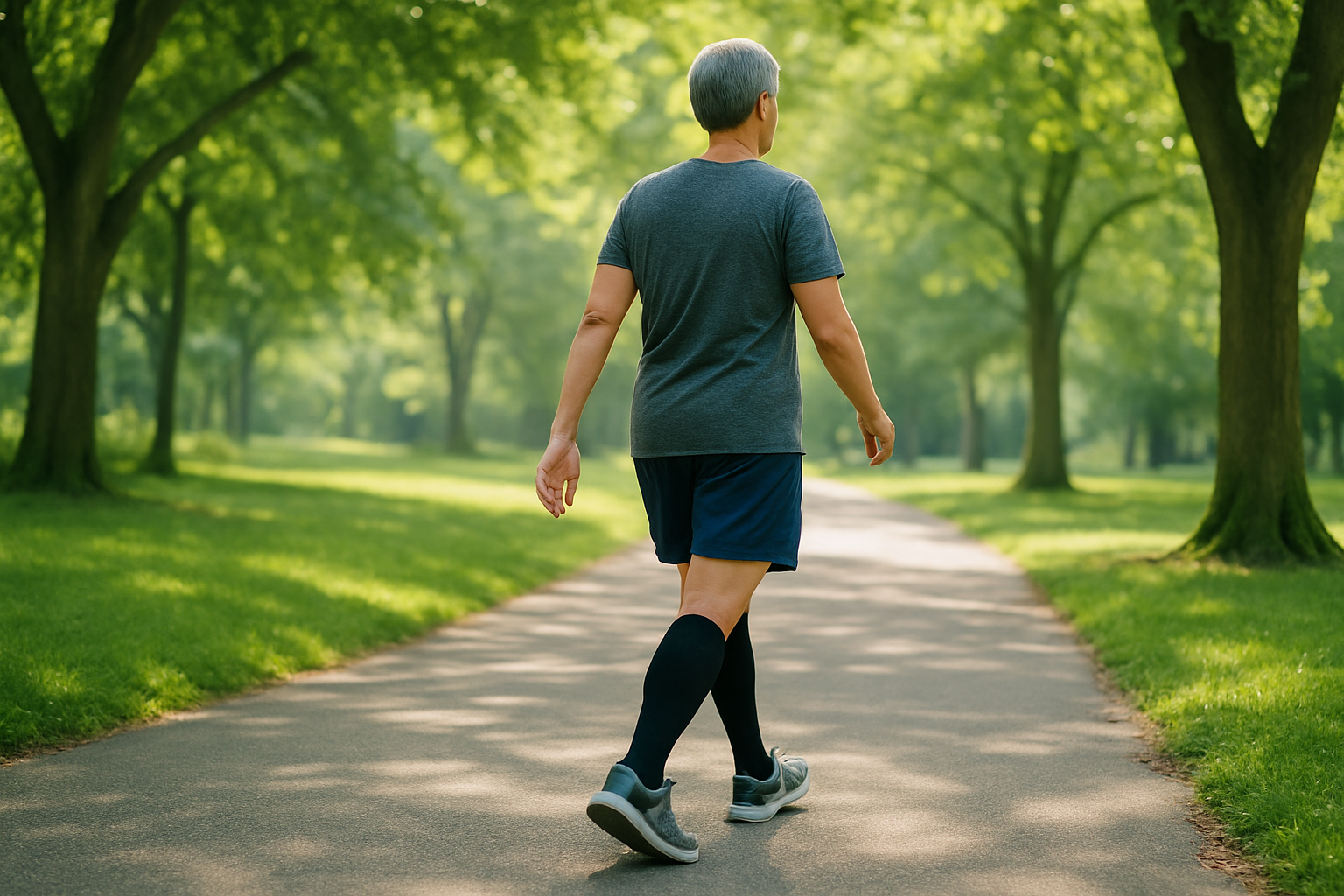
- Walking 30 minutes a day
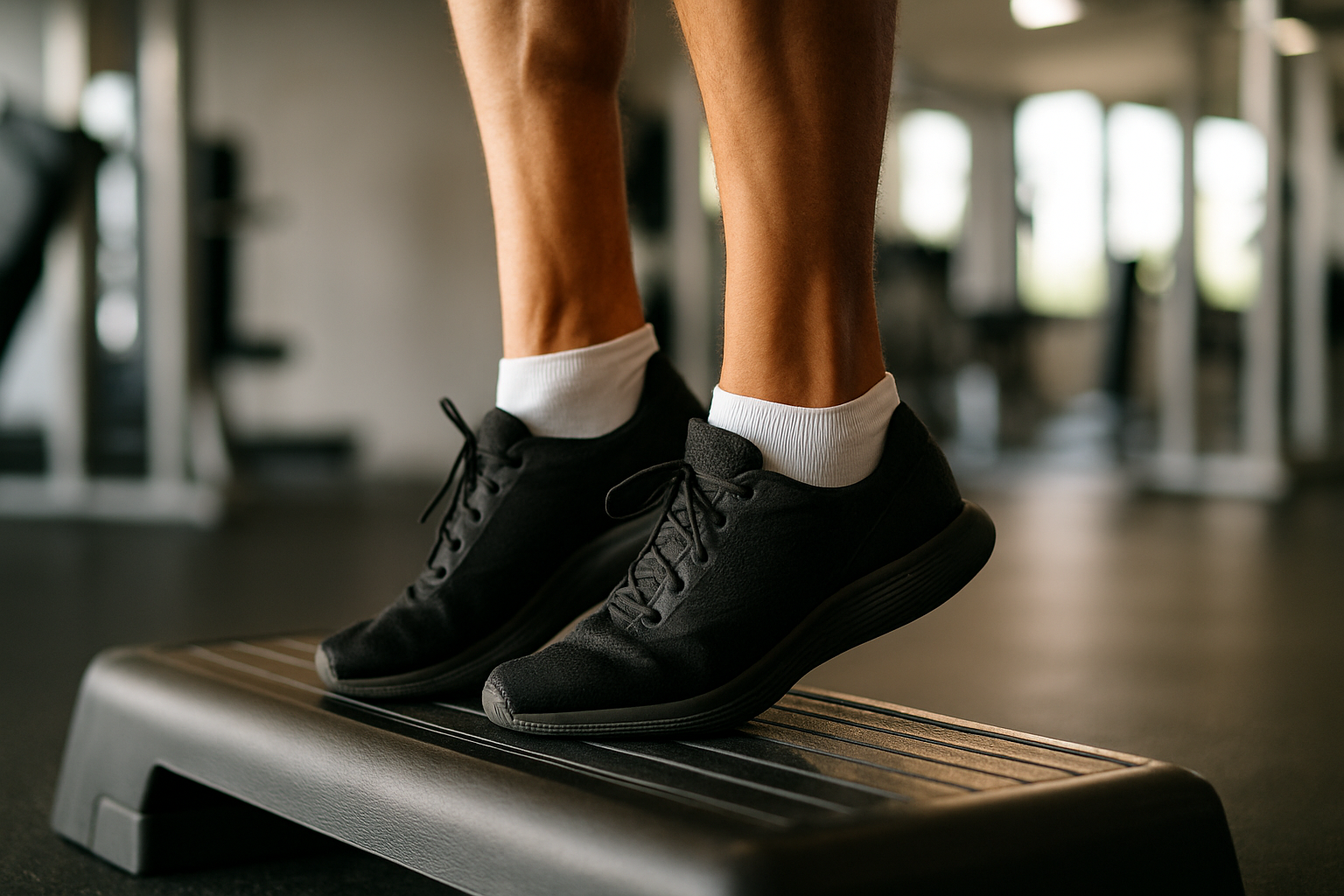
- Heel raises & ankle pumps at your desk
- Cycling or swimming for low-impact circulation boosts
Studies show targeted calf exercises shorten venous refill time and reduce edema.
3. Weight Management & Anti-Inflammatory Nutrition
Maintaining a healthy BMI lowers leg pressures. Adopt a Mediterranean-style diet rich in leafy greens, berries, fatty fish and olive oil to fight inflammation and support vein health.

4. Medication
- Venoactive drugs (e.g., diosmin) improve tone in the vein wall.
- Anticoagulants may be prescribed if clot risk is high.
5. Minimally Invasive Procedures
- Endovenous laser ablation (EVLA) or radiofrequency ablation (RFA) seal the faulty vein from within.
- Ultrasound-guided foam sclerotherapy collapses varicose branches.
- Phlebectomy removes residual surface veins through micro-incisions.
These outpatient options boast 90–98 % success and minimal downtime.
6. Skincare & Wound Care
Dry, fragile skin is prone to breakdown. Clean daily with mild soap and apply a pH-balanced moisturizer (e.g., Lymphoderm™, Eucerin® Advanced Repair). For open ulcers, seek a wound-care specialist.
Daily Self-Care Checklist
| Morning | Throughout the Day | Evening |
|---|---|---|
| Put on compression stockings before getting out of bed. | Move every 30 min—ankle circles, brief walks. | Elevate legs above heart level for 20 min. |
| Moisturize ankles and calves. | Stay hydrated; limit salt to reduce fluid retention. | Inspect skin for redness, cracks or sores. |
| Choose supportive footwear. | Avoid crossing legs when seated. | Re-apply lotion; massage gently toward the heart. |


Prevention Tips That Really Work
- Keep moving: 8–10 k steps a day or 150 min of moderate exercise weekly
- Break up sitting/standing: 5-min walk or calf raises every hour
- Maintain a healthy weight & quit smoking
- Wear compression socks during long flights or road trips
- Elevate legs at lunchtime and before bed
Small habits compound to lower venous pressure and halt valve deterioration.
When to See a Vein Specialist
Consult a vascular surgeon or phlebologist if you notice:
- Swelling that doesn’t resolve overnight
- Sudden calf pain or warmth (possible DVT)
- Skin darkening, eczema or hardening around the ankles
- A non-healing sore or ulcer on the lower leg
Early referral can prevent irreversible skin damage and improve long-term mobility.
Frequently Asked Questions
Take the Next Step Toward Healthier Legs
Early action is the key to stopping chronic venous insufficiency in its tracks. Explore doctor-approved compression wear at LymphedemaProducts.com, and visit NortonSchool.com for clinician-led education on vascular and lymphatic care.
References
- National Heart, Lung, and Blood Institute – Chronic Venous Insufficiency
- American Venous Forum Guidelines
- Mayo Clinic – Venous Insufficiency Overview
- Edinburgh Vein Study (Long-term Risk Analysis)
- Polish Society of Phlebology – Lifestyle Factors in CVI
Author’s Note: This article is for informational purposes only and does not replace professional medical advice. Always consult a qualified healthcare provider for evaluation and treatment.
