
Lipedema vs. Lymphedema: How to Spot the Difference, Get a Proper Diagnosis, and Find Relief
Swollen legs, aching arms, clothes that no longer fit—these symptoms can turn everyday tasks into a struggle. Two of the most common culprits are lipedema and lymphedema, yet even seasoned clinicians confuse them. Misdiagnosis not only delays effective therapy but can also lead to frustration, unnecessary surgeries, or advice that simply doesn’t work (“Just lose weight!”).
This guide breaks down lipedema vs. lymphedema in plain language, backed by the latest research and clinical best practices. You’ll learn:
- What makes each condition unique
- Red‑flag signs you can spot at home
- Evidence‑based treatments that actually help
- How to advocate for yourself with healthcare providers
Quick Reference: The Main Differences at a Glance
Feature
Swelling Pattern
Tissue Feel
Stemmer’s Sign
Gender Prevalence
Primary Cause
Best‑Response Therapy
Pain Profile
Lipedema
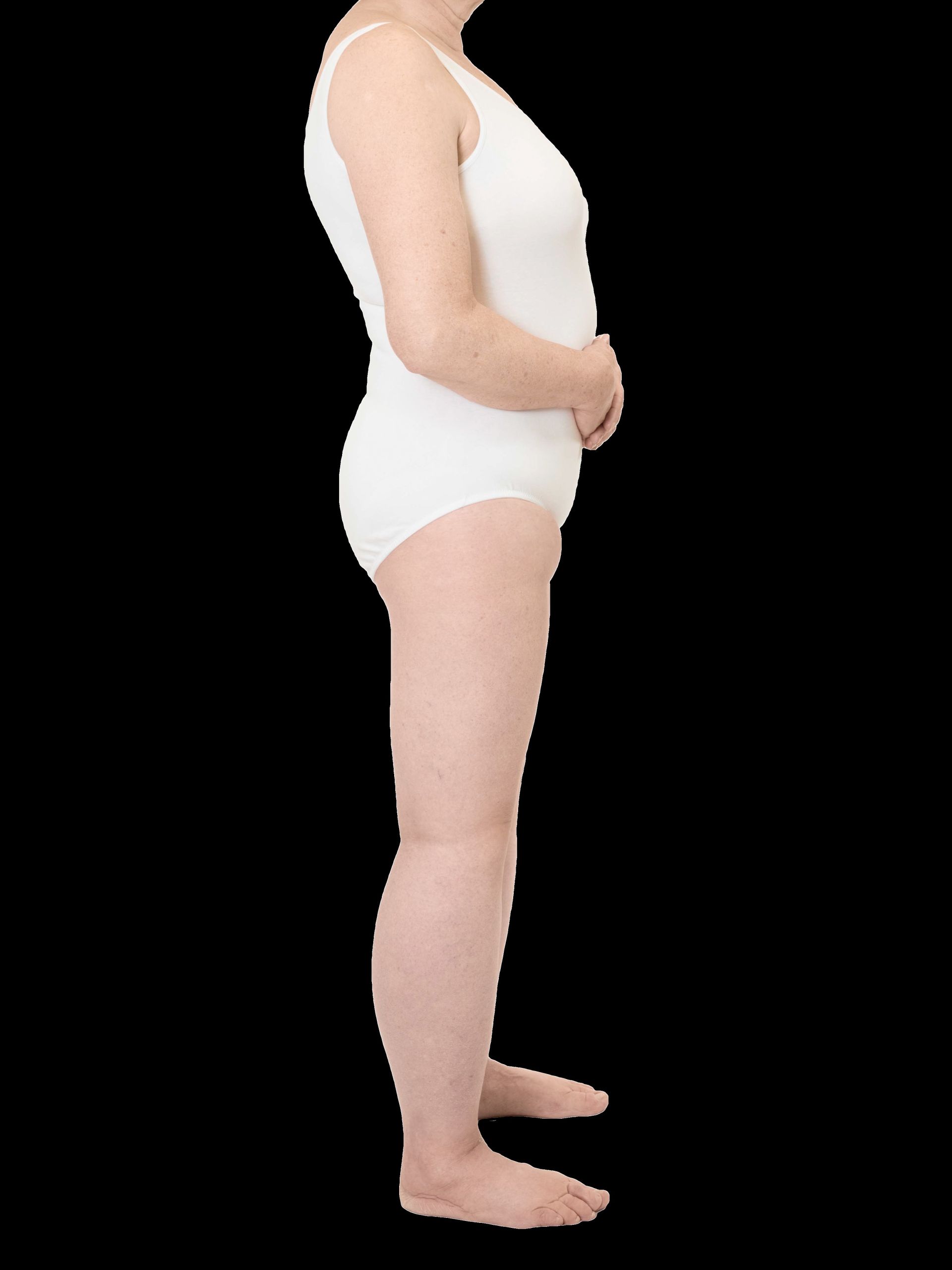
Symmetrical (both legs/arms); spares feet & hands, creating an “ankle cuff.”
Soft, nodular, bruises easily; painful to touch.
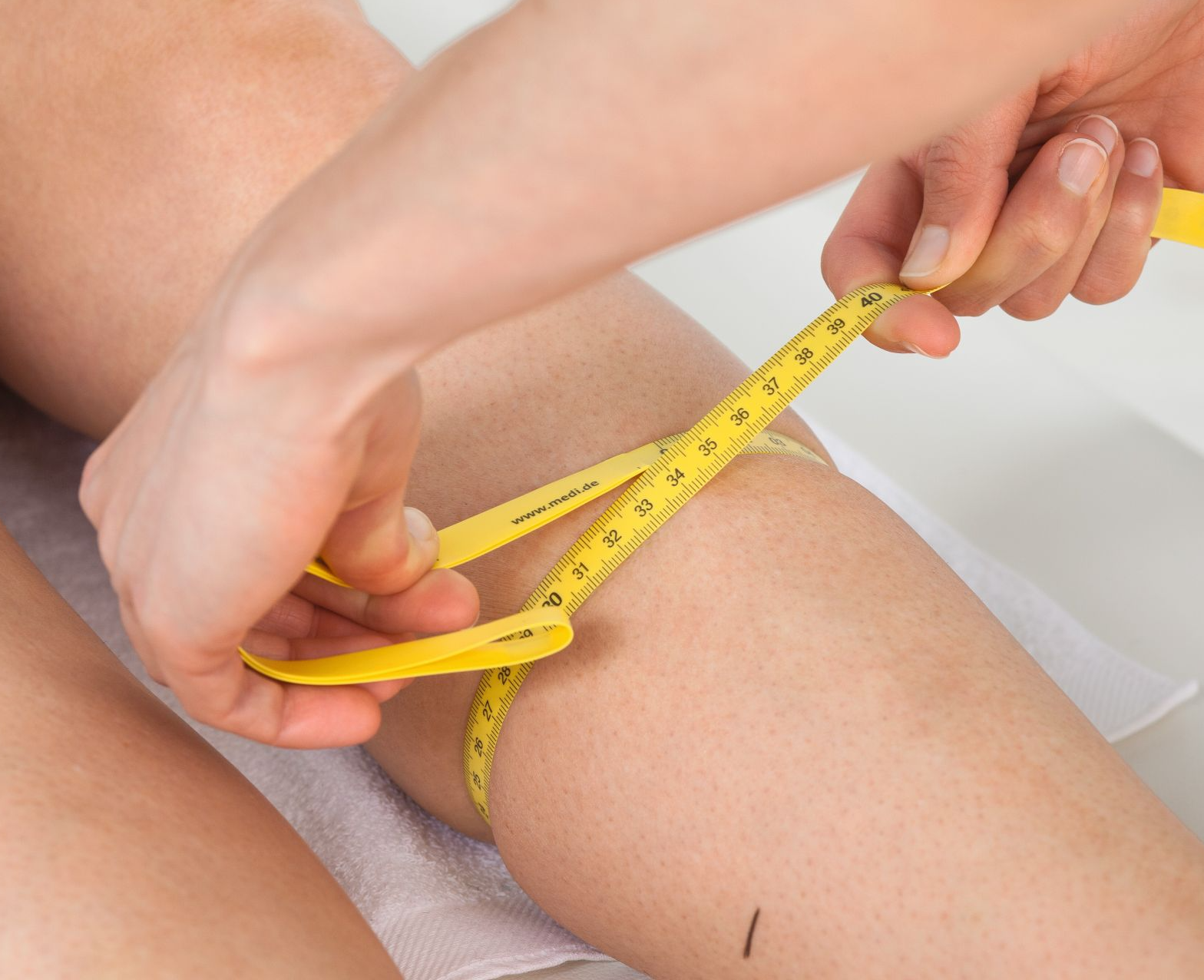
Usually negative (skin fold at base of toe/finger can be pinched).
~11% of women; rare in men.
Hormonal & genetic fat disorder.
Lipedema‑focused liposuction, staged compression, anti‑inflammatory diet.
Burning, aching, extreme tenderness.
Lymphedema
Asymmetrical (often one limb); starts in feet or hands and moves upward.
Firm, fibrotic, thickened over time; may feel heavy rather than painful.
Often positive (can’t pinch fold due to skin thickening).
Affects all genders; worldwide prevalence ≈200 million.
Affects all genders; worldwide prevalence ≈200 million.
Complete Decongestive Therapy (CDT), compression, manual lymph drainage (MLD).
Tightness, heaviness; pain mostly with infection or fibrosis.
Tip: Some patients develop lipolymphedema, a combination of both disorders. If you see signs from each column, ask for a comprehensive evaluation.
1. What Exactly Is Lipedema?
Lipedema (pronounced lĭ‑pĕ‑DEE‑muh) is a chronic, progressive fat‑storage disorder almost exclusively affecting women. First described in the 1940s, it causes abnormal deposition of subcutaneous adipose tissue in the lower body and, less commonly, the upper arms. Key facts:
- Hormonal link: Onset and flares often coincide with puberty, pregnancy, or menopause, indicating an estrogen‑mediated component.
- Genetic influence: Up to 60% of patients report a family history.
- Stages: From Stage 1 (smooth skin, soft swelling) to Stage 4 (lipolymphedema with skin folds and fibrosis).
- Despite diet & exercise: Lipedemic fat is notoriously resistant to calorie restriction or intense workouts. Patients may lose weight in the torso but not in affected limbs.
1.1 Symptoms at a Glance
- Bilateral thigh, hip, buttock, and calf enlargement
- Swelling worsens during the day and with heat
- Easy bruising from minor bumps
- Pain or tenderness on light pressure
- Cold extremities despite warmth elsewhere
1.2 Why It Matters
Unmanaged lipedema can progress to mobility problems, joint degeneration, and—when lymphatic vessels become overwhelmed—secondary lymphedema. Early recognition empowers patients to choose timely interventions such as specialized liposuction and custom compression garments.
2. What Exactly Is Lymphedema?
Lymphedema results when lymph vessels or nodes cannot move protein‑rich lymph back into circulation. Fluid accumulates, triggering swelling and, eventually, fibrotic tissue changes.
2.1 Types of Lymphedema
- Primary lymphedema – congenital or hereditary malformation of lymphatics (e.g., Milroy, Meige).
- Secondary lymphedema – damage from surgery, radiation, infection, obesity, or trauma. Breast‑cancer treatment remains the leading cause in developed countries.
2.2 Hallmark Signs
- Swelling often starts in one foot or hand
- Indentation (“pitting”) early, then hard/fibrotic later
- Positive Stemmer’s sign at toe/finger base
- Recurrent cellulitis infections
- Feels heavy, but less tender than lipedema
Note: Males and females are equally susceptible when lymphatics are compromised.
3. Digging Deeper: Five Clinical Clues That Separate Lipedema from Lymphedema
3.1 Where Swelling Starts and How It Spreads
- Lipedema: Begins at the hips or knees and moves down toward the ankles, but stops abruptly above the foot. The result is the classic “bracelet” or “cuff.”
- Lymphedema: Starts in the foot or hand, spreading up the limb. Shoes or rings feel tight first.
3.2 Tissue Consistency
- Lipedema fat feels marshmallow‑soft or “bean‑bag” nodular and bruises with minor impact.
- Lymphedema fluid creates a doughy feel early on; later stages become woody or rock‑hard due to fibrosis.
3.3 Skin Appearance
- Lipedema skin usually remains smooth until very late, though cellulite dimpling is common.
- Lymphedema skin may thicken, develop hyperkeratosis, or papillomatosis (“mossy” texture).
3.4 Pain vs. Heaviness
- Lipedema: Pain out of proportion to appearance. Even light massage may hurt.
- Lymphedema: Sense of heaviness, tightness, or bursting pressure; pain spikes mainly with infection.
3.5 Family & Gender Patterns
- Lipedema: Strong maternal pattern; >90% female.
- Lymphedema: No gender bias; strong link to cancer‑related node removal.
4. Getting the Right Diagnosis
Because standard lab tests can’t “see” either disorder, diagnosis relies on clinical assessment augmented by imaging.
Tool
Stemmer’s sign
Bioimpedance spectroscopy
Duplex ultrasound
MRI or CT
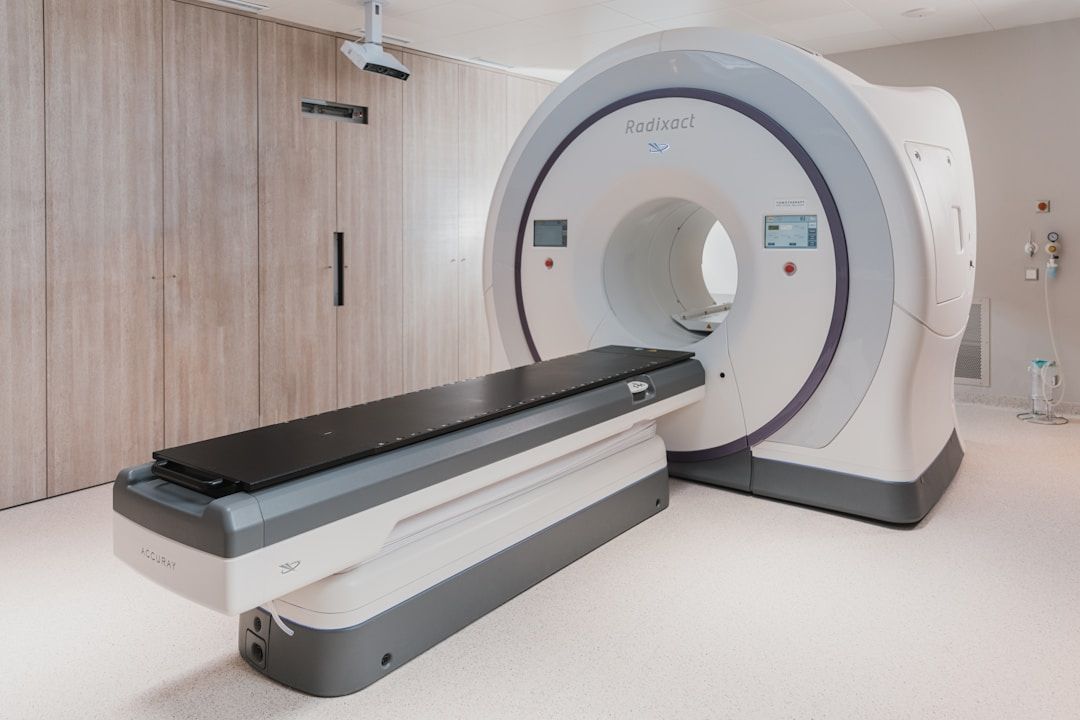
Lymphoscintigraphy
What It Shows
Pinch‑test for skin thickening.
Limb fluid vs. lean mass.
Rules out venous disease, DVT.
Fat vs. fluid distribution.
Maps lymph flow with tracer dye.
When It Helps
Quick bedside screen.
Detects early lymphedema post‑cancer surgery.
When swelling is sudden/unilateral.
Clarifies advanced or mixed cases.
Gold standard for surgical planning.
Pro tip: Take smartphone photos of your limbs monthly. Consistent lighting and background help you—and your therapist—track subtle volume changes.
4.1 Common Misdiagnoses
- General obesity – “Just diet harder.” (Fails for lipedema.)
- Chronic venous insufficiency – Similar ankle swelling but with skin discoloration and ulcers.
- Fibromyalgia – Overlapping pain and fatigue but no true limb enlargement.
If you hit dead ends, ask for referral to a Certified Lymphedema Therapist (CLT). The Norton School Therapist Referral Tool lets you search by ZIP code.
5. Treatment Roadmap: Lipedema vs. Lymphedema
5.1 Shared First‑Line Strategies
- Complete Decongestive Therapy (CDT) – manual lymph drainage, multi‑layer bandaging, compression garments, exercise, and meticulous skin care.
- Graduated compression – flat‑knit stockings or inelastic wraps
- Low‑impact movement – water aerobics, Nordic walking, rebounding.
- Skin hygiene – pH‑balanced cleansers and moisturizers
5.2 What Works Better for Lipedema
Intervention
Tumescent liposuction
Anti‑inflammatory diet
Hormonal evaluation
Psychological support
Why It Helps
Permanently removes pathologic fat; best after weight stabilization and compression pre‑treatment.
Reduces pain & edema; focus on omega‑3 fats, leafy greens, and reduced added sugars.
Address estrogen dominance, thyroid dysfunction.
High rates of anxiety/depression; consider CBT or group therapy.
5.3 What Works Better for Lymphedema
Intervention
Lymphatic venous anastomosis (LVA)
Vascularized lymph node transfer (VLNT)
Intermittent pneumatic compression pumps
Infection prophylaxis
Why It Helps
Microsurgical bypass routes excess fluid into venous system.
Transplants healthy nodes to affected region.
Home devices that mimic manual drainage.
Prompt antibiotics for cellulitis; regular skin checks.
5.4 Managing Overlap: Lipolymphedema
Patients with late‑stage lipedema often develop secondary lymphedema. Coordinate care among plastic surgeons, vascular medicine, and CLTs to stage treatments: first reduce limb volume via CDT, then consider liposuction.
6 Lifestyle & Self‑Care Essentials
6.1 Nutrition Principles
- Aim for a moderately low‑carb, anti‑inflammatory plate: 40% non‑starchy vegetables, 30% lean protein, 30% healthy fats.
- Emphasize foods rich in bioflavonoids (berries, citrus) that support capillary integrity.
- Limit alcohol and ultra‑processed snacks; they exacerbate fluid retention.
- Limit alcohol and ultra‑processed snacks; they exacerbate fluid retention.

6.2 Movement Matters
- Water workouts: Buoyancy supports heavy limbs, while hydrostatic pressure acts as natural compression.
- Yoga & Pilates: Enhance lymph flow via diaphragmatic breathing.
- Strength training: Build muscle pumps that drive lymph—even 2‑lb ankle weights help.
6.3 Compression Hacks
- Flat‑knit custom stockings provide uniform pressure on irregular limb shapes typical in lipedema.
- For fluctuating size, adjustable wraps allow on‑the‑go tightening.
- Replace garments every 6 months; elastic fibers fatigue.
6.4 Skin‑Care Ritual
- Cleanse with gentle, fragrance‑free wash.
- Pat dry—no rubbing.
- Moisturize within 3 minutes. Aquaphor® or Lymphoderm® seals in hydration.
- Inspect for cuts, redness, or fungal changes; treat early to avoid cellulitis.
6.5 Mental Health & Community
Living with a visible condition can erode self‑esteem. Seek support groups (e.g., Lipoedema UK, Lymphie Strong Facebook community) and lean into hobbies that nurture body‑image resilience.
7. Insurance, Advocacy & Workplace Tips
- Document everything: Photos, limb measurements, pain diaries. Proof speeds approvals for compression and surgery.
- Know the codes: ICD‑10 E88.2 (Lipedema), I89.0 (Lymphedema). CPT codes for CDT (97124), MLD (97140) can aid reimbursement.
- Request workplace accommodations: Sit‑stand desks, compression breaks, climate control.
- Appeal denials: Provide peer‑reviewed evidence and letters from CLTs.
8. FAQs — Quick Answers Patients Google Every Day
What is the main difference between lipedema and lymphedema?
Lipedema is a hereditary fat-storage disorder that creates symmetrical swelling in the hips, thighs, buttocks and sometimes arms, sparing the hands and feet. Lymphedema, by contrast, is fluid-based swelling caused by a damaged or overloaded lymphatic system; it usually starts in the foot or hand on one side and creeps upward. Understanding these core distinctions—fat vs. fluid, symmetrical vs. asymmetrical—is the key to accurate diagnosis and treatment.
How can I tell if my swollen legs are lipedema or lymphedema at home?
Check the ankle “cuff” sign: lipedema swelling stops abruptly above the ankle, leaving the foot skinny, while lymphedema often balloons the foot. Try a Stemmer’s test: pinch a skin fold at the base of the second toe or finger. If you can’t lift the skin (positive Stemmer’s sign), lymphedema is likely. Remember, home tests are screening tools—a certified lymphedema therapist (CLT) should confirm your findings.
Does diet or weight loss improve lipedema and lymphedema equally?
With lipedema, standard dieting rarely reduces the diseased fat but may improve overall health. Anti-inflammatory eating (low-GI, high-omega-3) helps reduce pain. In lymphedema, weight management lowers strain on lymphatics and can lessen flare-ups. Bottom line: healthy nutrition benefits both, but fat loss alone won’t “cure” lipedema and must be paired with compression and exercise in lymphedema.
Which compression garments work best for lipedema vs lymphedema?
- Lipedema: soft-knit flat-or circular knit leggings or arm sleeves with mild–moderate gradient (Class 1–2, 20–30 mm Hg) to control heaviness without triggering pain.
- Lymphedema: flat-knit, custom-fit stockings (Class 2–3, 30–40 mm Hg) to counteract fluid and fibrosis. Always measure limbs first thing in the morning for the best fit and replace garments every 4–6 months.
Can both conditions occur together?
Yes. Up to 40 % of advanced lipedema patients develop secondary lymphedema (often called lipo-lymphedema). Signs include sudden foot swelling, a positive Stemmer’s sign, new bouts of cellulitis, or rapid weight gain in the calves. Early intervention with decongestive therapy can prevent irreversible fibrosis.
What medical imaging confirms lipedema vs lymphedema?
- Lymphoscintigraphy or ICG lymphography maps lymph flow and is the gold standard for lymphedema.
- MRI or ultrasound can reveal nodular adipose deposits typical of lipedema and rule out deep-vein thrombosis.
- Bioimpedance spectroscopy (BIS) quantifies extracellular fluid and is excellent for tracking lymphedema progression. Combining tests gives the clearest picture.
Is liposuction safe for lipedema and does it help lymphedema?
Water-assisted or tumescent liposuction is evidence-based for lipedema; it removes diseased fat, eases pain, and slows progression when paired with lifelong compression. It is not a first-line treatment for pure lymphedema, where lymph-venous bypass or vascularized lymph-node transfer are more appropriate surgical options.
How does exercise differ for lipedema vs lymphedema?
- Lipedema: low-impact, muscle-pumping activities (deep-water aerobics, Nordic walking, Pilates) improve micro-circulation and reduce pain flares.
- Lymphedema: gradual resisted training with compression on improves lymph clearance; avoid heavy, repetitive load until swelling is stable. Always warm up and cool down with diaphragmatic breathing to stimulate lymph flow.
Do hormonal changes worsen both conditions?
Lipedema is hormonally sensitive—flare-ups often coincide with puberty, pregnancy, perimenopause, or hormonal IUDs. Lymphedema has no direct hormonal trigger, but pregnancy may unmask latent lymphatic weakness. Tracking symptom patterns on a menstrual calendar can help women and clinicians tailor care.
When should I see a specialist?
Seek a board-certified vascular or lymphatic specialist as soon as you notice persistent, non-pitting swelling lasting > 3 months, unexplained bruising, or pain disproportionate to appearance. Early referral for Complete Decongestive Therapy (CDT)—manual lymphatic drainage, compression, skincare, and exercise—prevents complications in both lipedema and lymphedema and improves long-term outcomes.
9 Key Takeaways & Next Steps
- Act early. The sooner you identify whether it’s lipedema or lymphedema, the more treatment options you have.
- Compression is king. Both disorders benefit from well‑fitted garments—just don’t expect them to shrink lipidemic fat.
- Specialist care matters. Seek out a CLT or lymphedema clinic familiar with both conditions.
- Advocate for yourself. Insist on imaging if your diagnosis is unclear.
Ready to take control? Book an evaluation with a lymphedema therapist and explore evidence‑based products at LymphedemaProducts.com. Knowledge is power—and relief.
References & Suggested Reading
- Wounds UK. Best Practice Guidelines: The Management of Lipodema (2023).
- International Society of Lymphology. 2024 Lymphedema Consensus Document.
- Herbst KL, Raff ML. Lipedema — a frequently misdiagnosed and misunderstood adipose disorder. Endocrinology & Metabolism Clinics (2022).
- Rockson SG, Laine AF. Advances in surgical management of lymphedema. Phlebology (2023).
- Foldi M, Foldi E. Textbook of Lymphology (4th ed., 2025 update).
Disclaimer:
All content and educational material on this website is for informational purposes only and does not constitute medical advice, diagnosis, or treatment. Standard website visitors and prospective students should always consult a qualified healthcare professional regarding any medical condition or treatment plan.
Featured links
©2003-2026 Norton School of Lymphatic Therapy